

A straighter smile can make brushing easier, improve confidence, and help the teeth fit together more comfortably. However, many adults and teenagers hesitate to consider orthodontic treatment because they do not want traditional metal braces.
Invisalign offers another possibility. This treatment uses a planned series of clear, removable aligners to gradually guide teeth toward new positions. The trays are designed to fit closely over the teeth, making them less noticeable during everyday conversations, work, school, and social activities.
For anyone researching Invisalign in Fairview, NC, understanding the process is an important first step. Clear aligners can be convenient, but they still require professional planning, consistent wear, and ongoing dental supervision.
This article provides general educational information and is not a diagnosis or personalized treatment recommendation. A dentist or orthodontic professional should evaluate the teeth, gums, and bite before recommending Invisalign or another orthodontic option.
What Is Invisalign?
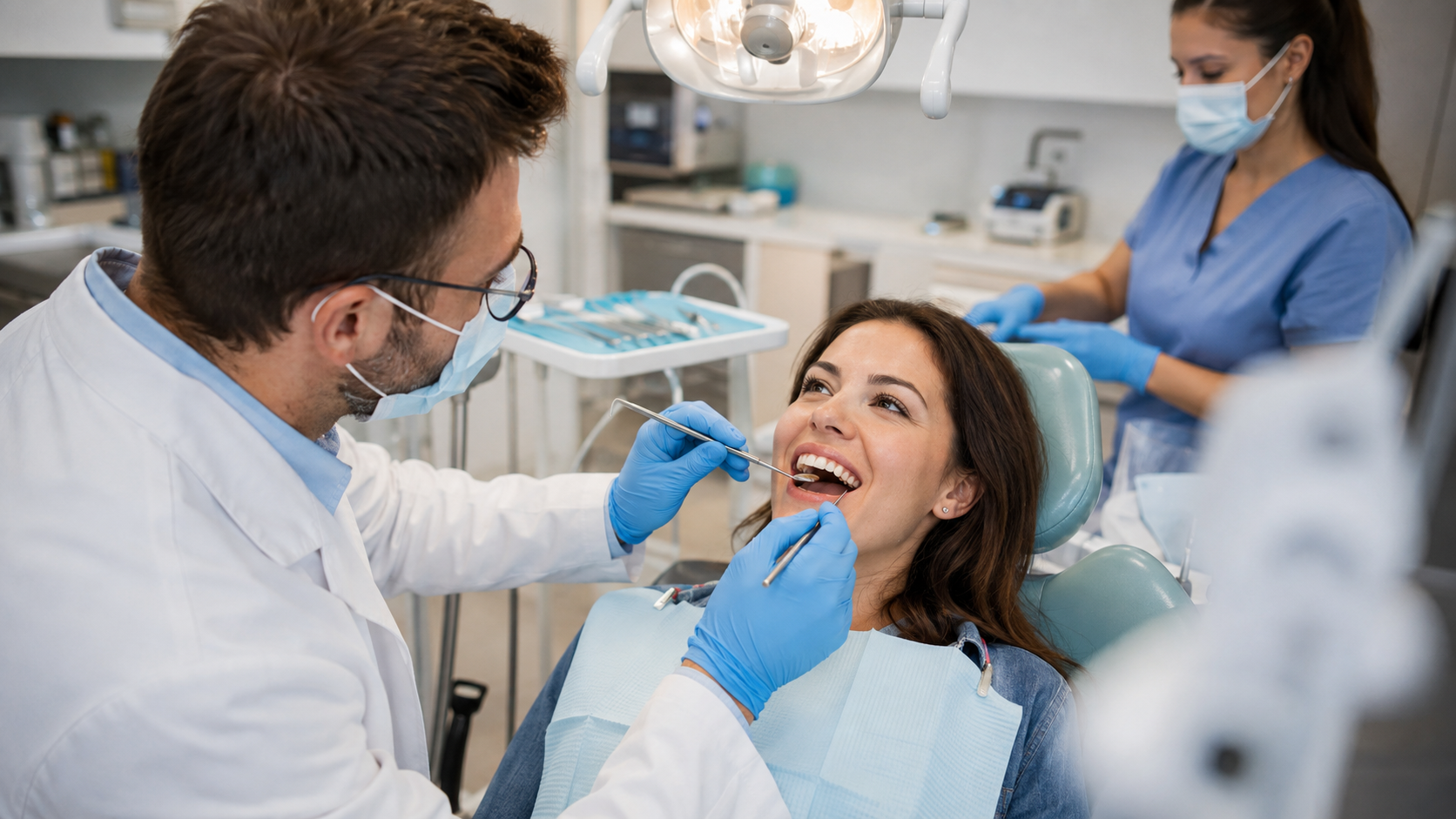
Invisalign is a brand of clear aligner therapy. Instead of using brackets and wires, it relies on removable plastic trays created for the patient’s smile. Each aligner is shaped slightly differently so that the teeth can move in planned stages.
Patients change aligners according to the schedule provided by their dental professional. Regular progress appointments allow the provider to check tooth movement, evaluate the fit of the trays, and adjust the plan when necessary.
Some patients may also need small tooth-colored attachments placed on selected teeth. These attachments give the aligners additional grip for certain movements. Although they are designed to blend in, they may still be visible at close range.
What Concerns Can Clear Aligners Address?
Invisalign may be considered for several common alignment and bite concerns, including:
- Crowded or overlapping teeth
- Small spaces or gaps between teeth
- Teeth that have shifted after previous orthodontic treatment
- Certain overbites, underbites, or crossbites
- Teeth that appear rotated or uneven
The appearance of a smile is only part of the evaluation. A dental professional also considers how the upper and lower teeth meet, whether the gums and supporting structures are healthy, and how predictable the required movements may be.
Clear aligners are not appropriate for every situation. More complex alignment or jaw-related concerns may require a different orthodontic approach or care coordinated with a specialist. The goal of a consultation is not simply to approve Invisalign; it is to determine which option makes the most sense for the individual patient.
Why Patients Consider Invisalign
A discreet appearance
The aligners are clear and fit closely around the teeth. They are not completely invisible, but they are generally less noticeable than metal brackets and wires. This can appeal to adults who give presentations, meet with customers, attend events, or simply prefer a subtle treatment.
Removable trays
Patients remove the aligners for meals and usually for drinks other than plain water. That means there are fewer food restrictions than with fixed braces. There is no need to avoid a favorite crunchy food simply because it could damage a bracket.
Removability also makes routine brushing and flossing more familiar. However, the teeth should be cleaned before the trays go back in whenever practical. Trapping food particles or sugary liquid beneath an aligner can work against good oral hygiene.
A customized plan
Invisalign treatment is planned around the patient’s starting alignment and treatment goals. Digital records may help the provider map expected movements and explain the proposed outcome. Any digital preview is a planning tool rather than a guarantee, since each person’s teeth and supporting tissues respond differently.
Fewer bracket-related irritations
Clear aligners do not have metal brackets or protruding wires. Their edges can still occasionally feel rough or irritate the cheeks and tongue, especially when a patient is adjusting to a new tray. Patients should contact the dental office rather than trimming or reshaping an aligner without guidance.
What to Expect During the Invisalign Process
1. Consultation and oral health evaluation
The first visit focuses on goals, concerns, dental history, and whether clear aligners are likely to be suitable. The provider may examine the teeth, gums, jaw relationship, and existing dental work. Digital scans, photographs, or dental X-rays may be recommended based on the patient’s needs.
Active decay, gum inflammation, or another oral health concern may need attention before orthodontic treatment begins. Moving teeth in a healthy oral environment helps the dental team monitor treatment more effectively.
2. Digital planning
If the patient moves forward, detailed records are used to design a personalized series of aligners. The proposed plan may include attachments, space-management techniques, or other steps depending on the case.
The provider should explain what the plan is intended to accomplish, its limitations, and whether another treatment option deserves consideration.
3. Wearing the aligners
Clear aligners work only while they are on the teeth. Patients should follow their provider’s instructions about daily wear and when to move to the next tray. Frequently leaving the trays out can delay progress or cause the next aligner to fit poorly.
A new set may feel snug at first. Mild pressure can occur as the teeth respond to the aligner. Severe pain, a tray that will not seat properly, swelling, or another unexpected problem should be reported promptly.
4. Progress visits
Checkups give the dental team an opportunity to compare actual movement with the treatment plan. If teeth are not responding as expected, additional scans or revised aligners may be considered. Keeping these appointments is part of maintaining a safe, organized course of care.
5. Retention after active treatment
Completing the last aligner does not necessarily mean that all care is finished. Teeth can shift after orthodontic movement, so a retainer is commonly included in the long-term plan. The type of retainer and recommended wear routine depend on the patient’s circumstances.
Living With Invisalign Day to Day
Most patients need a short adjustment period before aligner care becomes part of their normal routine. Helpful habits include:
- Keeping an aligner case nearby instead of wrapping trays in a napkin
- Removing aligners before eating
- Rinsing the trays with cool or lukewarm water
- Following the provider’s cleaning instructions
- Avoiding hot water, which may distort the plastic
- Brushing and flossing consistently
- Keeping aligners away from pets, which may chew them
- Calling the office if an aligner is lost, cracked, or no longer fits
Speech may sound slightly different when the first trays are inserted. Reading aloud or talking normally can help the tongue adjust. Patients should ask their provider for advice if a speech change persists or interferes with daily activities.
How Long Does Invisalign Take?
There is no single Invisalign timeline that applies to everyone. Treatment length depends on the starting position of the teeth, the bite, the movements required, and how consistently the aligners are worn. A small amount of shifting may require a different plan than significant crowding or bite correction.
After evaluating the smile and developing a proposed plan, the provider can offer an individualized estimate. That estimate may change if aligners are not worn as directed or if the teeth respond differently than anticipated.
How Much Does Invisalign Cost in Fairview, NC?
The cost of Invisalign in Fairview, NC varies by patient. Factors may include the complexity of the case, the anticipated extent of treatment, the records needed, and whether additional aligners or procedures are part of the plan.
Dental insurance benefits also vary. Some plans offer orthodontic coverage, while others exclude it or apply age and lifetime benefit limits. Patients can ask the dental office for a written estimate and contact their insurance carrier to confirm benefits.
When comparing costs, it helps to ask what the quoted fee includes. Useful questions cover progress visits, attachments, replacement trays, revised aligners, retainers, and post-treatment follow-up. A clear financial discussion can prevent surprises later.
Questions to Ask at an Invisalign Consultation
- Is Invisalign appropriate for this specific alignment or bite concern?
- Are the teeth and gums healthy enough to begin?
- What results are realistic?
- Would braces or another option offer an advantage?
- Will attachments or other procedures be needed?
- What happens if an aligner is lost or damaged?
- What is included in the treatment estimate?
- What kind of retainer may be recommended afterward?
A good consultation should leave the patient feeling informed rather than pressured. It is reasonable to ask for clarification, discuss concerns, and take time to understand the proposed plan.
Frequently Asked Questions
Is Invisalign painful?
Patients may notice pressure or tenderness when they begin treatment or switch to a new aligner. This should be distinguished from severe or persistent pain, which warrants a call to the dental provider. Comfort varies from person to person.
Can a patient eat while wearing Invisalign?
Aligners are generally removed for food. Patients should also follow their provider’s instructions about beverages, since colored or sugary drinks may stain the trays or become trapped against the teeth.
Can Invisalign treat teenagers and adults?
Clear aligners may be an option for both teenagers and adults. Candidacy depends more on oral health, treatment needs, and the ability to follow the wear routine than on age alone.
Will Invisalign affect dental crowns, veneers, or implants?
Existing dental work does not automatically rule out clear aligners, but it can influence treatment planning. The provider needs to evaluate restorations carefully because crowns, veneers, bridges, and implants behave differently from natural teeth.
What happens if an aligner is lost?
The patient should contact the treating office for instructions. Depending on the treatment stage and fit of nearby trays, the provider may recommend a replacement or another temporary step. Patients should not skip ahead without professional guidance.
Are results permanent?
No orthodontic provider can promise that teeth will never shift. Wearing retainers as directed and maintaining follow-up dental care can help protect the result. Retainer recommendations should be personalized to the patient.
Explore Invisalign in Fairview, NC
Invisalign can offer a discreet, removable way to address certain tooth-alignment and bite concerns, but successful treatment begins with a careful evaluation and realistic expectations.
Patients interested in Invisalign in Fairview, NC can contact Fairview Dental to ask questions and schedule a consultation. The team can review oral health, discuss cosmetic and functional goals, and explain whether clear aligners or another approach may be appropriate. Learn more about the practice’s dental services in Fairview, NC and take the next step toward a healthier, more confident smile.