

You’ll find practical, patient-focused general dentistry in Fairview, NC that keeps your smile healthy and comfortable without unnecessary fuss. Expect preventive care, personalized treatment plans, and modern restorative and cosmetic options to protect and improve your teeth so you can feel confident about your daily life.
This article walks through what to expect from preventive visits, how dentists tailor care for families and children, options for fixing damage or enhancing appearance, and ways to handle dental emergencies with calm, prompt action. You’ll also get straightforward at-home tips and next steps to schedule care or ask questions, all delivered in a friendly, expert tone to help you make informed choices.
Importance of Preventive Dental Care
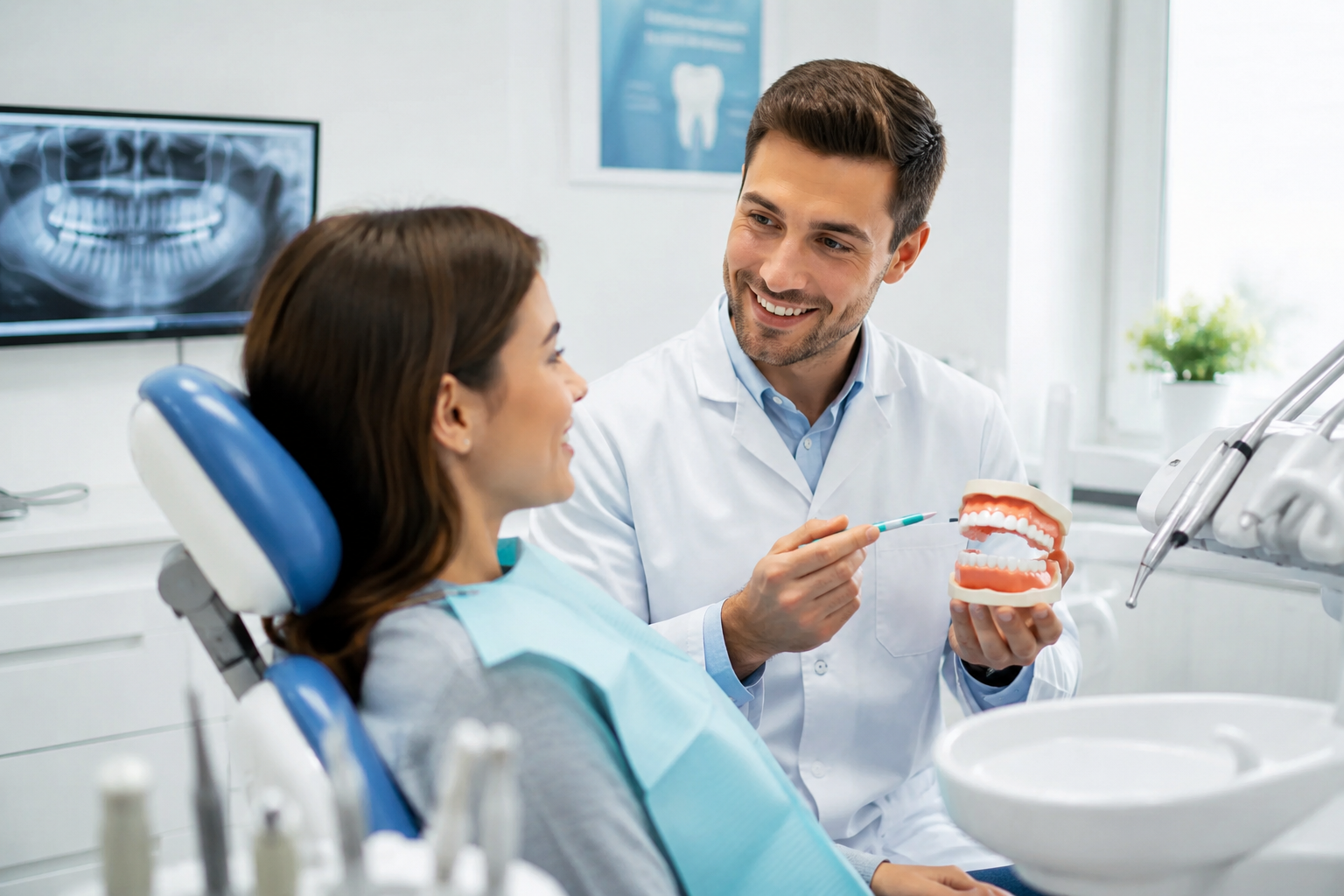
Preventive dental care keeps teeth and gums healthy, reduces the need for fillings or extractions, and detects problems early when treatments are simpler and less costly. Regular attention to routine exams, professional cleanings, and cancer screenings protects oral health and overall well‑being.
Routine Checkups
Routine checkups typically occur every six months, though the dentist may recommend more frequent visits for patients with gum disease, diabetes, or heavy plaque buildup. During a checkup, the clinician reviews medical history, examines teeth and gums, evaluates bite and restorations, and records any changes since the last visit.
Digital X‑rays may be taken as needed to spot cavities between teeth, monitor bone levels, or check for infections beneath the gumline. These images use low radiation and help the dentist plan targeted treatments early, avoiding larger procedures later.
The dentist also discusses home care, diet, and habits like smoking or clenching that affect oral health. Clear, personalized instructions — such as flossing technique or using a fluoride rinse — make daily care more effective and prevent common problems.
Professional Cleanings
Professional cleanings remove plaque and hardened tartar that brushing and flossing alone cannot eliminate, especially below the gumline. Hygienists use scaling and polishing tools to clean tooth surfaces and pockets, which lowers inflammation and reduces the risk of periodontal disease.
Cleanings include a focused evaluation of gum pocket depths and signs of bleeding or recession. When pockets measure deeper than normal, the hygienist or dentist will recommend more frequent visits or periodontal therapy to halt progression.
The visit often includes topical fluoride application or sealant recommendations for patients at higher risk of decay. These preventive measures strengthen enamel and reduce cavity risk, particularly on molars and for patients with dry mouth or heavy sugar exposure.
Oral Cancer Screenings
Oral cancer screenings occur during routine exams and take only a few minutes, yet they can be life‑saving. The dentist inspects lips, tongue, floor of mouth, cheeks, throat, and lymph nodes for persistent sores, white or red patches, lumps, or unexplained numbness.
If the dentist finds suspicious tissue, they document size and appearance, photograph the area, and may use adjunctive tools like a VELscope or toluidine blue to help visualize abnormal cells. When warranted, a biopsy referral to an oral surgeon or ENT ensures definitive diagnosis.
Early detection greatly improves treatment options and outcomes. Patients who report any persistent mouth pain, a sore that won’t heal, or difficulty swallowing receive prompt investigation and clear guidance on next steps.
Personalized Treatment Planning
The team tailors care to each patient’s dental history, current oral health, and lifestyle. They balance preventive measures with restorative options and present clear choices that fit budgets and comfort levels.
Comprehensive Oral Exams
A thorough exam starts with a detailed medical and dental history review, including medications, past surgeries, and sensitivity patterns. Digital X-rays and intraoral photos help detect cavities, bone loss, and early-stage problems that a visual check alone might miss.
The dentist performs periodontal probing to measure gum health and checks occlusion (bite) for wear or TMJ concerns. For patients with cosmetic goals, smile analysis evaluates tooth shape, color, and alignment alongside functional needs.
Findings are documented in the chart and explained in plain language. The exam sets priorities: urgent issues, preventive steps, and long-term maintenance, creating a clear roadmap for treatment sequencing.
Patient Education and Communication
Providers explain diagnoses and options using visuals like X-rays, photos, and simple diagrams to show exactly what they see. They outline pros and cons for treatments — for example, choosing a bonded filling versus a crown — and discuss expected timelines and costs.
They invite questions and confirm understanding by summarizing decisions and next steps. Staff review insurance estimates and offer financing when needed, so patients know payment options before treatment begins.
Follow-up communication includes care instructions, appointment reminders, and checks on comfort after procedures. This consistent dialogue reduces anxiety and helps patients stay engaged in their oral health.
Restorative Dentistry Solutions
Restorative dentistry repairs damage, restores function, and improves appearance using biocompatible materials and proven techniques. Treatments here prioritize tooth preservation, comfort during procedures, and long-term reliability.
Tooth-Colored Fillings
Tooth-colored (composite) fillings use a resin that bonds directly to tooth structure, preserving more natural enamel than traditional amalgam. The dentist removes decayed tissue, etches the surface, and layers the composite, curing each layer with a light; this produces a strong bond and reduces the need for extensive drilling.
Composites match tooth shade for a discreet result and are suitable for front and back teeth when cavity size and bite forces are appropriate. They typically require a single visit and allow the tooth to regain near-normal strength.
Patients with large restorations, deep decay, or heavy chewing stress may be steered toward crowns instead. Composite fillings can stain over time and may need replacement after several years; regular checkups and good oral hygiene prolong their lifespan.
Dental Crowns
Crowns cover and protect teeth that are cracked, heavily restored, root-canaled, or structurally compromised. The dentist reshapes the tooth, takes an impression or digital scan, and places a temporary crown while a lab fabricates a permanent one from porcelain, zirconia, or porcelain-fused-to-metal.
Porcelain and zirconia crowns offer lifelike color and strength; zirconia excels where high bite forces exist. Crowns restore chewing function, prevent further fracture, and improve appearance when matched precisely to adjacent teeth.
The process usually requires two visits: preparation and final cementation. Crowns can last 10–15 years or longer with proper care; patients should avoid chewing ice or very hard objects and maintain routine dental exams.
Bridges for Missing Teeth
A fixed dental bridge replaces one or more adjacent missing teeth by anchoring prosthetic teeth (pontics) to crowns placed on neighboring teeth or implants. The dentist evaluates bite alignment and remaining tooth structure before recommending a traditional bridge, cantilever bridge, or implant-supported bridge.
Traditional bridges require reducing the abutment teeth to fit crowns, while implant-supported bridges preserve adjacent teeth and provide superior long-term bone support. Bridges restore chewing, speech, and smile aesthetics quickly compared to some other options.
Bridge longevity depends on fit, oral hygiene, and the health of supporting teeth or implants; flossing under the pontic (with a floss threader or interdental brush) and regular cleanings prevent decay and gum disease around the bridge. Patients should discuss material choices and maintenance needs with their dentist to find the best match for function and appearance.
Comfort-First Patient Experience
Staff focus on reducing pain, lowering anxiety, and making appointments predictable. They combine gentle clinical techniques with modern equipment to speed treatment and improve comfort.
Gentle Techniques for Anxious Patients
The team uses proven behavioral and clinical strategies to calm nervous patients. They offer slow, clear explanations of each step, allowing patients to signal for pauses with a simple hand raise. This gives patients control and reduces panic during procedures.
Topical numbing gels and localized anesthetic injections are standard for fillings and extractions. Providers apply topical first, then wait one to two minutes before injecting to minimize needle discomfort. For more extensive treatment, they offer nitrous oxide (laughing gas) with adjustable delivery, letting patients remain awake and responsive while feeling relaxed.
For patients with severe dental fear or special needs, dentists can schedule longer appointments and breaks. They coordinate pre-visit calls to review medical history and comfort preferences, and they provide weighted blankets or noise-canceling headphones when requested.
Modern Technology in the Dental Office
Digital tools shorten visits and improve outcomes. Intraoral cameras and chairside digital X-rays capture detailed images in seconds, reducing exposure and helping dentists explain issues directly to patients. Images appear on a monitor so patients can see exactly what the clinician sees.
Rubber dams, electric handpieces with quieter motors, and gentle irrigation systems reduce vibration and spray during procedures. Laser-assisted treatments can remove decay or treat gum tissue with less bleeding and faster healing in selected cases.
For restorations, same-day CAD/CAM milling can produce crowns or onlays during one visit, eliminating temporary restorations and multiple appointments. Electronic charting and automated appointment reminders also streamline scheduling and reduce wait times for follow-up care.
Children’s Dentistry and Family Care
Children receive friendly, age‑appropriate dental care that focuses on prevention, comfort, and early detection of problems. Parents get clear guidance on home care, diet, and scheduling to protect primary and permanent teeth.
Pediatric Dental Checkups
Pediatric checkups begin as soon as the first tooth appears or by the child’s first birthday. The dentist examines tooth eruption patterns, checks for early decay, evaluates bite development, and screens for habits like thumb-sucking that can affect alignment. Each visit includes a gentle cleaning to remove plaque and a brief demonstration of brushing and flossing techniques tailored to the child’s motor skills.
Appointments typically last 20–40 minutes and use child-friendly language and instruments to reduce anxiety. The team documents growth milestones and provides a written home-care plan, including when to transition from fluoride toothpaste to adult-strength fluoride. When necessary, the dentist discusses preventive orthodontic referrals or behavior-management strategies to keep care safe and effective.
Dental Sealants and Fluoride Treatments
Dental sealants are thin, protective coatings applied to the chewing surfaces of molars and premolars to block food and bacteria from grooves. The procedure takes about 10–15 minutes per tooth, requires no drilling, and bonds quickly after cleaning and drying the surface. Sealants cut the risk of decay on treated teeth significantly, especially for children who have deep fissures or trouble brushing back teeth.
Topical fluoride varnish is applied in-office every 3–6 months based on caries risk. Fluoride strengthens enamel and helps reverse early decay; applications take a few minutes and are safe at recommended doses. The dentist assesses each child’s fluoride exposure from water and toothpaste and tailors the frequency and strength of treatments accordingly, then gives parents straightforward post-application care instructions.
Gum Health and Periodontal Maintenance
Healthy gums form the foundation of a strong smile and overall oral health. Regular gum checks catch early signs of inflammation, bleeding, or pocket formation before they progress.
Routine cleanings remove plaque and tartar that brushing misses. Scaling and root planing (deep cleaning) treats early gum disease by smoothing root surfaces and reducing bacterial buildup.
Patients receive personalized maintenance schedules based on their gum status. Typical intervals range from every 3 to 12 months; higher-risk patients need more frequent visits.
Signs to watch for include bleeding while brushing, persistent bad breath, receding gums, and loose teeth. If any of these appear, prompt evaluation prevents more extensive treatment later.
Home care matters as much as office visits. Daily brushing with a soft-bristled brush, interdental cleaning (floss or interdental brushes), and an antimicrobial mouthrinse support professional therapy.
Common treatment options:
- Preventive care: Routine cleanings, oral hygiene instruction
- Non-surgical therapy: Scaling and root planing, localized antimicrobials
- Supportive maintenance: More frequent cleanings, monitoring for disease progression
Modern periodontal care emphasizes patient comfort and minimally invasive techniques. Local anesthesia, gentle instruments, and laser-assisted options reduce discomfort and speed recovery.
They should ask their dental team about a customized plan, how often to return, and what to do at home to protect gum health. Schedule a periodontal assessment if symptoms or risk factors are present.
Cosmetic Enhancements in General Dentistry
This section explains practical ways general dentists improve the look of teeth while keeping function and comfort in mind. It highlights common, office-based options patients in Fairview, NC, ask for and what to expect during treatment.
Teeth Whitening Options
Dental offices in Fairview commonly offer two professional whitening paths: in-office power whitening and take-home trays. In-office whitening uses stronger peroxide gels and often a light or heat source to speed results, producing noticeable brightening in a single 45–90 minute visit. Take-home trays are custom-fitted by the dentist; patients wear lower-strength gel for 30–90 minutes daily over one to two weeks for gradual, controlled whitening.
Dentists assess tooth sensitivity, existing restorations, and gum health before recommending a method. Whitening won’t change the color of crowns or veneers, so dentists discuss expectations and may suggest replacing visible restorations after whitening for a uniform appearance. Patients receive post-treatment care tips to minimize relapse, such as avoiding stain-causing foods for 48–72 hours and using touch-up trays or whitening toothpaste as advised.
Minor Tooth Corrections
General dentists correct small aesthetic flaws with conservative treatments like composite bonding, enamel reshaping, and tooth-colored fillings. Composite bonding uses resin matched to the tooth shade; the dentist sculpts and cures the material in a single visit to repair chips, close minor gaps, or lengthen teeth. Enamel reshaping (odontoplasty) gently contours uneven edges or minor overlaps using polishing instruments, often combined with bonding for a more complete result.
These options preserve most natural tooth structure and typically require minimal anesthesia. Dentists explain longevity varies—bonding may last 5–10 years with good care—so patients learn simple maintenance: avoid biting hard objects, practice good oral hygiene, and attend regular cleanings. If a patient needs a larger cosmetic change, the dentist outlines alternatives such as veneers or crowns and refers to a specialist when appropriate.
Emergency Dental Care and Support
When an unexpected dental problem happens, prompt, organized care reduces pain and prevents further damage. Fairview providers prioritize quick access, clear triage, and effective short-term treatment to stabilize patients before definitive care.
Same-Day Appointments
Many Fairview practices reserve slots for same-day emergencies and offer extended hours on select days. Patients should call the clinic immediately, describe symptoms (severe pain, swelling, uncontrolled bleeding, lost tooth), and confirm insurance or payment method to speed check-in.
The office triages calls to determine urgency and may provide self-care steps: rinse with warm salt water, apply cold compresses, or place a clean cloth over a knocked-out tooth. Clinics commonly perform rapid exams, pain control (local anesthesia or short-term medication), temporary restorations, and referral for root canal or oral surgery if needed.
Ask about after-hours contact, the expected wait time, and whether the clinic accepts walk-ins. Knowing what to bring—photo ID, a list of medications, and any removable tooth fragments in milk or saliva—makes same-day visits more effective.
Common Dental Emergencies
Toothache from deep decay or infection often presents as constant, throbbing pain and may require antibiotics plus root canal treatment; immediate evaluation prevents spread. A fractured tooth with sharp edges needs smoothing or a crown; if the chip exposes pulp, prompt root canal or coverage is necessary.
A knocked-out permanent tooth has the best chance of saving if replanted within 60 minutes; keep it moist in milk or saline and see a dentist right away. Soft-tissue injuries (lip, cheek, tongue) usually need gentle cleaning and, occasionally, sutures; apply cold packs and seek care if bleeding won’t stop.
For lost fillings or crowns, bring the restoration if possible; temporary cement or a new crown can restore function. Severe swelling or fever with dental pain suggests spreading infection—this requires urgent antibiotic therapy and drainage or extraction to prevent systemic complications.
Tips for At-Home Oral Care
Daily brushing and flossing remain the foundation of good oral health. He or she should brush twice a day with a soft-bristled brush and fluoride toothpaste, using gentle circular motions for two minutes to remove plaque without damaging gums.
Flossing once a day cleans areas a brush cannot reach. If traditional flossing feels awkward, interdental brushes or water flossers offer effective alternatives.
Use an antimicrobial or fluoride mouthwash when recommended by the dentist. It can help reduce bacteria and strengthen enamel, but it does not replace brushing or flossing.
Watch diet and snacking habits to protect teeth. Limiting sugary or acidic foods and sipping water after acidic drinks helps reduce enamel erosion and cavity risk.
Replace toothbrushes every three months or sooner if bristles splay. Electric toothbrush heads follow the same timeline and often improve plaque removal for many patients.
Address sensitivity with targeted toothpaste and gentle technique. If sensitivity persists, the dentist can evaluate for decay, gum recession, or other causes and suggest appropriate treatments.
Keep routine dental visits on the calendar for cleanings and exams. Regular checkups catch small problems before they become complex, and staff can personalize home care tips.
If a patient feels unsure about products or technique, they should ask the dental team. A quick demonstration or product recommendation can make home care easier and more effective.
Your Next Steps Toward a Healthier Smile
They should schedule an initial exam to assess current oral health and identify any immediate needs. This visit typically includes X‑rays, a cleaning, and a discussion of treatment priorities.
They should review preventive habits at home and make small, sustainable changes—brushing twice daily with fluoride toothpaste and flossing once a day. These steps prevent most cavities and gum disease when combined with regular professional care.
They should explore modern options for comfort and convenience, such as same‑day restorations, nitrous oxide for anxiety, and digital impressions. These technologies shorten visits and improve outcomes.
They should ask about a personalized treatment plan that lists recommended procedures, timelines, and transparent cost estimates. A clear plan helps them prioritize care and avoid surprises.
They should use the checklist below to prepare for the first appointment:
- Bring dental insurance and ID.
- Note medications and medical history.
- List current dental concerns and questions.
- Bring prior dental records or X‑rays if available.
They should call the Fairview clinic or use online booking to set an appointment. Staff can answer questions about payment options, sedation, and emergency availability.
They should feel encouraged to ask questions and seek second opinions if uncertain. A friendly consultation empowers them to make informed decisions and take the next step toward a healthier, more confident smile.
Frequently Asked Questions
This section answers common practical concerns about routine dental care in Fairview, NC, including appointment frequency, what happens at a first visit, typical general dentistry treatments, payment options, home prevention, and safe reentry after a long gap.
How often should I schedule dental cleanings and checkups to keep my teeth and gums healthy?
Most patients benefit from cleanings and exams every six months to remove plaque, check for cavities, and screen for gum disease.
Patients with active periodontal disease, heavy plaque buildup, diabetes, or a history of frequent cavities may need visits every three to four months; the dentist will recommend a schedule based on exam findings.
What should I expect at my first visit to a new dentist, and how can I prepare if I feel nervous?
A typical first visit includes a medical and dental history review, X-rays if needed, an oral exam, and a professional cleaning or treatment plan discussion.
To prepare, bring a list of medications, prior dental records if available, and any insurance information; patients worried about anxiety can request extra time, ask about sedation options, or bring a companion for support.
Which common treatments are considered “general dentistry,” and when would I need a specialist instead?
General dentistry covers preventive care (cleanings, exams, fluoride), restorative work (fillings, crowns, bridges), simple extractions, root canal therapy for uncomplicated cases, and basic cosmetic treatments like bonding or whitening.
A referral to a specialist—such as an endodontist, periodontist, oral surgeon, or prosthodontist—occurs for complex root canals, advanced gum disease, surgical extractions, implant placement, or extensive jaw and bite reconstruction.
Do you accept Medicaid or offer affordable payment options if I’m worried about the cost of dental care?
Many general practices in Fairview accept major insurances and some accept Medicaid; others provide in-house payment plans, sliding-scale fees, or partner with third-party dental financing.
Call the office before your visit to confirm accepted plans, ask about discounted new-patient offers, and learn about financing or payment arrangements to avoid unexpected bills.
What are the best ways to prevent cavities and gum disease at home between dental visits?
Brush twice daily with fluoride toothpaste for two minutes and floss once daily to remove plaque between teeth and below the gumline.
Limit sugary snacks and acidic drinks, drink water after meals, use an antimicrobial or fluoride mouthwash if recommended, and follow any personalized home-care instructions your dentist or hygienist provides.
If I’ve gone a long time without seeing a dentist, what’s the safest, most comfortable way to get back on track?
Schedule a comprehensive intake appointment that includes a full exam and X-rays so the dentist can assess current needs and create a staged treatment plan.
Tell the team about any fears, medical conditions, or past dental issues; they can suggest gradual treatment steps, pain-control options, and scheduling that prioritizes comfort and successful outcomes.