
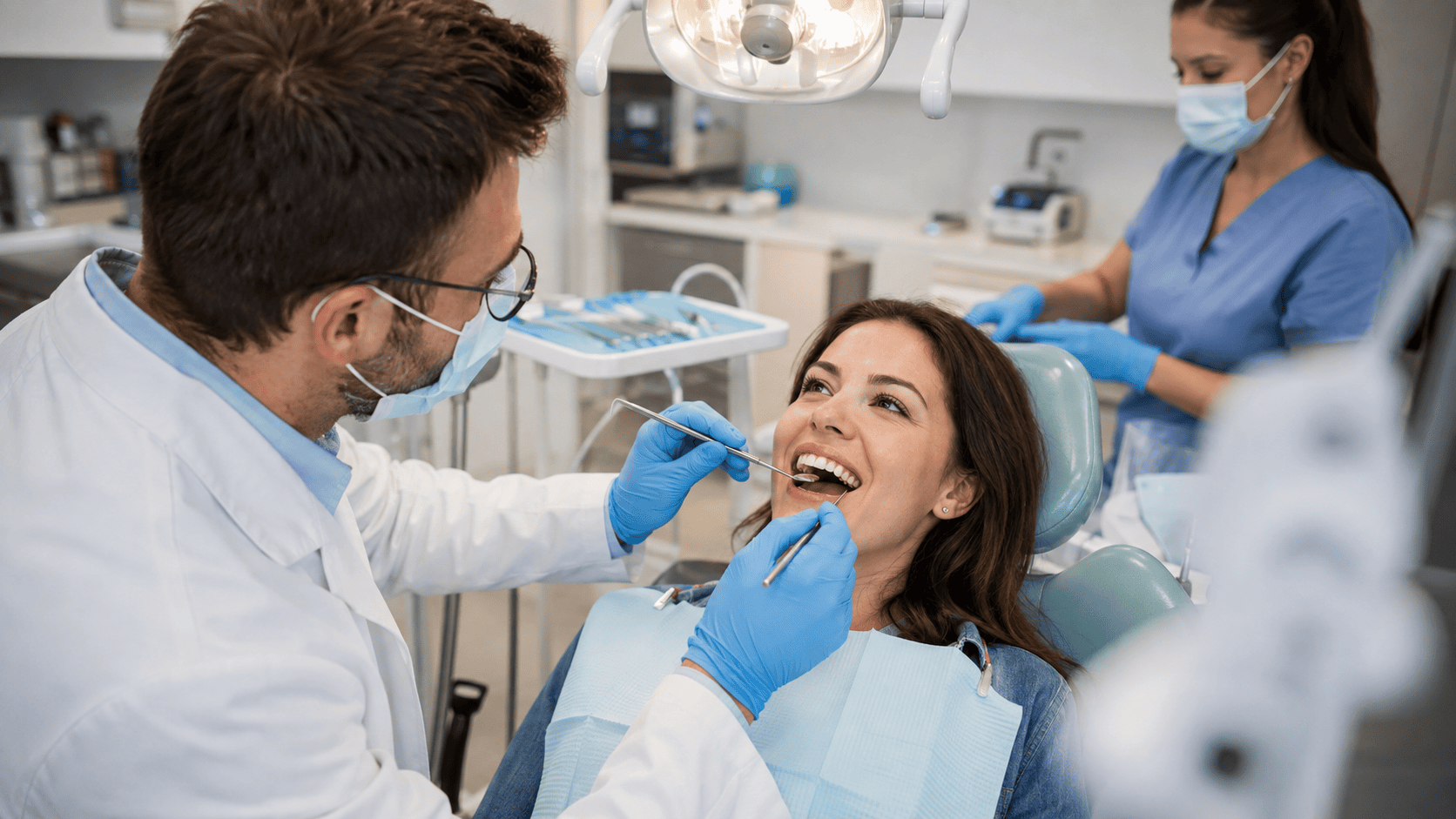
Understanding dental costs can feel confusing, especially when every smile, treatment plan, and insurance policy is different. Patients searching for a general dentistry cost breakdown in Fairview, NC often want a simple answer: “What will my visit cost, and why?” While the exact fee depends on the dental office, the patient’s needs, and insurance coverage, it helps to know the common categories that shape the final estimate.
General dentistry includes the routine care most people need to keep their teeth and gums healthy: exams, cleanings, X-rays, fillings, crowns, gum care, tooth extractions, and preventive services. Some visits are quick and preventive. Others involve repairing damage, treating infection, or replacing worn restorations.
Important note: This article is for general education only and does not replace a dental exam, diagnosis, or personalized treatment estimate. Patients should consult a licensed dentist for recommendations based on their oral health, comfort needs, and budget.
Why General Dentistry Costs Vary From Patient to Patient
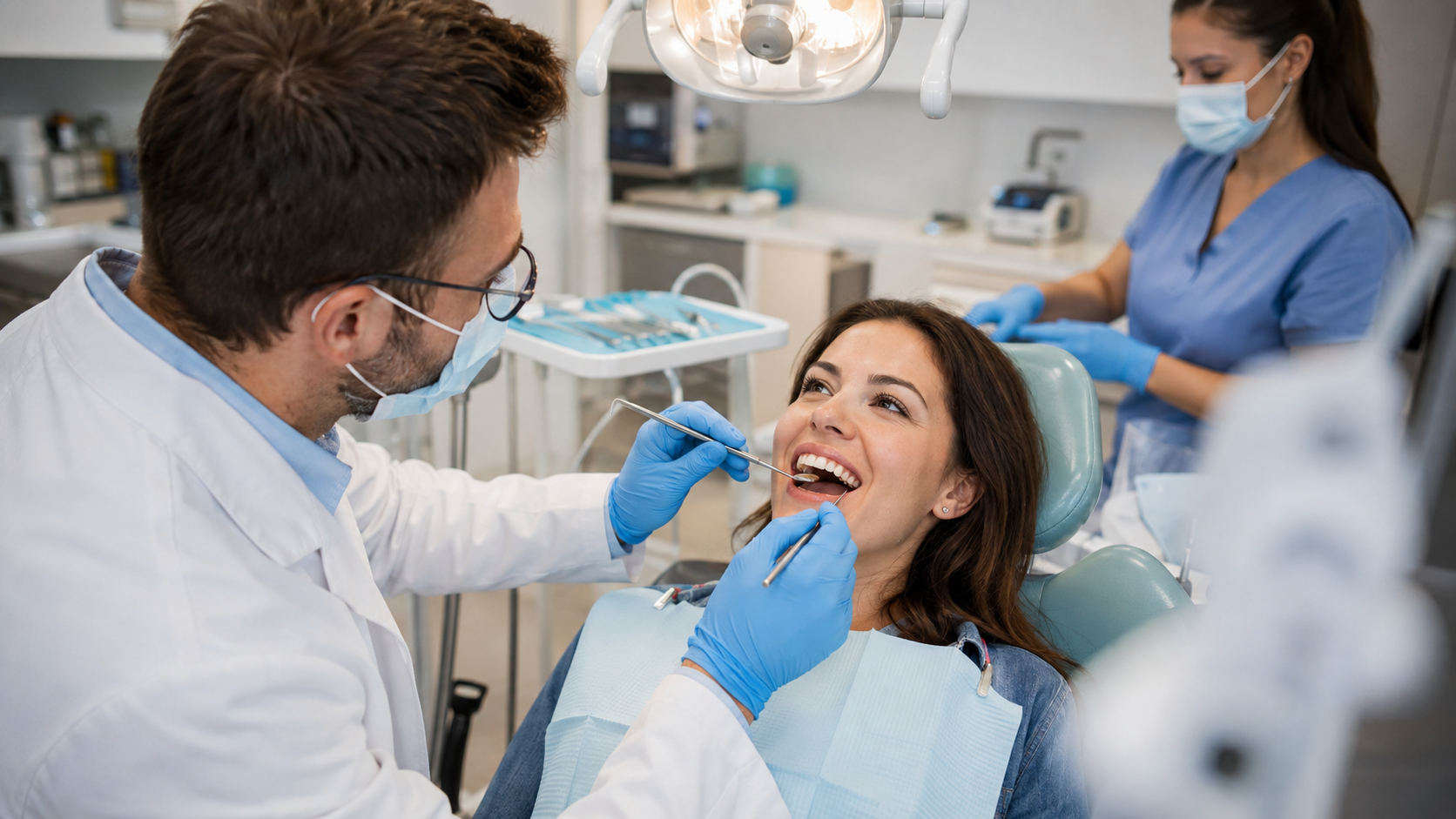
Two patients can schedule the same type of appointment and still receive different cost estimates. That does not mean one estimate is “wrong.” Dental fees reflect several factors, including the complexity of the visit, the materials used, the number of teeth involved, and whether additional services are needed.
For example, a routine cleaning for a patient with healthy gums is different from a deep cleaning for someone with gum disease. A small filling on one surface of a tooth is different from a larger restoration that covers multiple surfaces. A crown on a heavily worn molar may require different preparation than a crown placed after a root canal.
In Fairview, NC and surrounding communities, dental costs may also be influenced by local overhead, technology, lab fees, staff training, appointment length, and the practice’s approach to comfort-focused care. Modern dental offices often use digital X-rays, intraoral cameras, improved anesthetics, and high-quality materials to make care more precise and comfortable. These tools can affect cost, but they may also support a better patient experience.
A Simple General Dentistry Cost Breakdown
The following ranges are general examples to help patients understand how dental fees are commonly organized. They are not guaranteed prices and may not reflect a specific office’s current fee schedule. The best way to know the actual cost is to request a personalized treatment plan from the dental team.
| Service | What It Usually Includes | Common Cost Factors |
|---|---|---|
| Dental exam | Evaluation of teeth, gums, bite, and oral tissues | New patient vs. periodic exam, X-rays, complexity |
| Dental cleaning | Plaque and tartar removal, polishing, gum assessment | Routine cleaning vs. gum therapy, time needed |
| Dental X-rays | Images to check decay, bone levels, roots, and hidden concerns | Number and type of images |
| Dental filling | Repair of a cavity or small damaged area | Tooth location, size, number of surfaces, material |
| Dental crown | Custom cap to protect a weakened or damaged tooth | Material, lab fees, tooth condition, buildup needs |
| Tooth extraction | Removal of a tooth that cannot be saved or should be removed | Simple vs. surgical extraction, tooth position, sedation needs |
| Periodontal care | Treatment for gum inflammation or gum disease | Number of quadrants, severity, maintenance schedule |
Preventive Care: Exams, Cleanings, and X-Rays
Preventive dentistry is often the most cost-effective part of dental care. Regular checkups help dentists find small problems before they become painful, urgent, or more expensive to treat.
Dental Exams
A dental exam gives the dentist a clear picture of the patient’s oral health. During the visit, the dental team may check for cavities, gum inflammation, bite issues, worn enamel, signs of grinding, oral lesions, and changes around existing fillings or crowns.
New patient exams may cost more than routine periodic exams because they often include a more detailed health history, full-mouth evaluation, and baseline records. Returning patients usually need periodic exams at regular cleaning visits to monitor changes over time.
Routine Cleanings
A routine dental cleaning removes plaque and tartar that brushing and flossing cannot fully reach. For many patients with healthy gums, cleanings are recommended every six months. Patients who build tartar quickly or have a history of gum disease may need more frequent maintenance visits.
Insurance plans often cover preventive cleanings at a high percentage, sometimes fully, when the patient stays within plan guidelines. However, coverage varies. Patients should confirm whether their plan covers two cleanings per year, additional periodontal maintenance, fluoride, and X-rays.
Dental X-Rays
X-rays help dentists detect issues that are not visible during a visual exam. This may include decay between teeth, bone loss, impacted teeth, infections near tooth roots, or problems under older restorations.
The cost depends on the type of imaging used. A small set of bitewing X-rays is different from a full-mouth series or panoramic image. Many offices use digital X-rays, which provide fast images with low radiation exposure compared with traditional methods.
Restorative Dentistry: Fillings, Crowns, and Repairs
Restorative care focuses on repairing teeth after decay, cracks, wear, or injury. These treatments tend to cost more than preventive care because they involve more time, skill, materials, and sometimes outside dental lab work.
Dental Fillings
Fillings are commonly used to repair cavities or small areas of tooth damage. A small filling usually costs less than a larger filling because it takes less time and involves fewer tooth surfaces.
Tooth-colored composite fillings are popular because they blend naturally with the smile. The final fee can depend on the size of the cavity, where the tooth sits in the mouth, and how many surfaces need repair. Treating decay early may help keep the restoration smaller and more affordable.
Dental Crowns
A crown covers and protects a tooth that has been weakened by a large filling, crack, heavy wear, or root canal treatment. Crowns typically cost more than fillings because they are custom-made and may require multiple steps.
Costs may include tooth preparation, impressions or digital scans, a temporary crown, the final crown, and lab fabrication. Some teeth also need a buildup before the crown can be placed, especially if there is not enough healthy tooth structure remaining.
Replacing Older Dental Work
Dental restorations do not last forever. Older fillings can crack, leak, stain, or wear down. Crowns can loosen or develop decay at the margin. Replacing dental work may involve a simple repair, a new filling, or a more protective option such as a crown.
The cost depends on what the dentist finds during the exam. In some cases, a tooth that looks like it needs a small repair may have deeper decay or a crack that changes the recommended treatment.
Gum Care and Periodontal Treatment Costs
Healthy gums are the foundation for healthy teeth. When plaque and tartar collect below the gumline, gums can become inflamed and pull away from the teeth. If the condition progresses, bone support around the teeth may be affected.
A routine cleaning is not the same as periodontal therapy. Patients with gum disease may need scaling and root planing, often called a deep cleaning. This treatment removes buildup from below the gumline and smooths root surfaces so the gums can heal more effectively.
Periodontal treatment is often priced by quadrant, meaning one section of the mouth at a time. Costs may also include follow-up visits, antibacterial therapy, or more frequent periodontal maintenance cleanings. Although gum care may feel like an added expense, it can play an important role in protecting long-term oral health.
Tooth Extractions and Urgent Dental Visits
Sometimes a tooth cannot be saved, or removing it is the healthiest option. Extraction costs depend on whether the removal is simple or surgical. A simple extraction is usually more straightforward, while a surgical extraction may involve a broken tooth, impacted tooth, curved roots, or other complications.
Urgent dental visits may include an exam, X-rays, medication recommendations, temporary relief, or same-day treatment when appropriate. The total cost depends on the source of the pain and the care needed. A toothache could be related to a cavity, cracked tooth, gum infection, sinus pressure, or another issue, so an exam is essential.
Patients should not delay care for severe dental pain, swelling, fever, facial swelling, or trouble swallowing or breathing. These symptoms may require prompt dental or medical attention.
How Dental Insurance Affects Out-of-Pocket Costs
Dental insurance can make care more affordable, but it does not always work like medical insurance. Most dental plans include categories such as preventive, basic, and major services.
- Preventive care may include exams, cleanings, and routine X-rays.
- Basic care may include fillings, simple extractions, and some gum treatments.
- Major care may include crowns, bridges, dentures, and more complex procedures.
Patients may still be responsible for deductibles, copays, coinsurance, waiting periods, annual maximums, and services not covered by their plan. An annual maximum is especially important. Once insurance pays up to that yearly limit, the patient may be responsible for additional costs.
A dental office can often help estimate benefits before treatment begins. However, benefit estimates are not a guarantee of payment because the insurance company makes the final coverage decision after the claim is processed.
What Patients Without Dental Insurance Can Ask About
Patients without insurance are not alone. Many dental offices offer ways to make care more manageable, especially when treatment is planned in stages.
Helpful questions to ask include:
- Is there a new patient exam special or preventive care package?
- Does the office offer an in-house membership plan?
- Can treatment be phased by priority?
- Are payment options or third-party financing available?
- Which treatment should be completed soon, and which can safely wait?
For many patients, the most practical first step is a comprehensive exam. Once the dentist understands what is urgent, what is preventive, and what is optional, the team can build a plan that fits the patient’s goals and budget.
How to Plan for Dental Costs in Fairview, NC
A clear treatment plan can reduce surprises. Patients can ask for a written estimate that separates each recommended service, the reason for treatment, estimated insurance contribution, and expected out-of-pocket portion.
It can also help to ask the dentist to rank treatment by urgency. Some dental needs should be handled quickly, such as active infection, pain, deep decay, or a cracked tooth at risk of breaking further. Other concerns may be monitored or scheduled later, depending on the patient’s health and the dentist’s recommendation.
Preventive habits at home also make a difference. Brushing twice daily, flossing once daily, limiting frequent sugary snacks, wearing a nightguard if recommended, and keeping regular checkups may help reduce the risk of more involved treatment in the future.
Questions to Ask Before Starting Treatment
Patients deserve to feel comfortable with both the clinical plan and the financial details. Before beginning treatment, it is reasonable to ask:
- What is the goal of this treatment?
- Are there alternative options?
- What could happen if treatment is delayed?
- How many visits are expected?
- Will anesthesia, sedation, or comfort options affect the cost?
- What portion may insurance cover?
- Is a pre-treatment estimate available?
A good dental team will welcome questions. Clear communication helps patients make informed decisions without feeling rushed or overwhelmed.
Frequently Asked Questions About General Dentistry Costs
How much does a general dental visit cost in Fairview, NC?
The cost depends on the type of visit. A routine preventive visit may include an exam, cleaning, and X-rays, while a problem-focused visit may include diagnostic imaging and treatment recommendations. The most accurate way to know the cost is to contact the dental office and ask for an estimate based on the appointment type.
Are dental cleanings usually covered by insurance?
Many dental insurance plans cover routine cleanings and exams at a high percentage, but every plan is different. Some plans limit the number of cleanings per year or apply different rules for periodontal maintenance. Patients should review their benefits or ask the dental office to help estimate coverage.
Why does a crown cost more than a filling?
A filling repairs a smaller area of a tooth, while a crown covers the entire visible portion of a tooth for added strength and protection. Crowns usually require more preparation time, custom materials, and dental lab work, which increases the overall cost.
Can dental treatment be done in stages?
Often, yes. When multiple treatments are needed, the dentist may be able to prioritize urgent concerns first and schedule other care over time. This depends on the patient’s oral health, symptoms, and risk of problems getting worse.
Is the cheapest dental option always the best choice?
Not always. A lower-cost option may be appropriate in some cases, but patients should also consider durability, comfort, long-term health, and the risk of needing additional treatment later. The best option is the one that fits the patient’s clinical needs, goals, and budget after a dentist explains the choices.
What should a patient bring to a dental cost consultation?
Patients should bring their dental insurance card if they have one, a list of medications, relevant medical history, any recent dental records or X-rays, and questions about their goals or concerns. This helps the dental team provide a more accurate estimate and treatment plan.
Final Thoughts: A Clear Estimate Starts With a Conversation
A general dentistry cost breakdown in Fairview, NC is most helpful when it is personalized. Online estimates can explain what affects pricing, but only a dental exam can show what a patient truly needs.
Fairview Dental encourages patients to ask questions, discuss concerns, and learn about options before making decisions. Whether someone is due for a routine cleaning, worried about a toothache, or planning restorative care, a friendly conversation with the dental team can make the next step feel much easier.
Patients who want clearer answers about dental costs can contact Fairview Dental to schedule a consultation or request more information about available care options.