

A bright smile can make everyday moments feel a little easier — greeting a neighbor, taking family photos, walking into an interview, or simply feeling good when looking in the mirror. Over time, though, teeth naturally pick up stains from coffee, tea, red wine, berries, tobacco, aging, and even some medications. That is why many patients ask about the benefits of teeth whitening Fairview NC residents can enjoy with the guidance of a dental professional.
Teeth whitening is one of the most popular cosmetic dental options because it is simple, non-invasive, and designed to refresh the appearance of a smile without changing the shape of the teeth. For many people, it offers a noticeable boost with minimal disruption to daily life.
This article is for general educational purposes only and is not a diagnosis or treatment recommendation. Anyone considering whitening, especially those with sensitivity, dental restorations, gum concerns, or untreated dental issues, should consult a licensed dentist for personalized guidance.
Why Teeth Become Stained in the First Place
To understand why whitening can be helpful, it helps to know how discoloration happens. Tooth enamel may look smooth, but it contains tiny pores that can hold onto stain particles. Foods, drinks, and lifestyle habits can gradually leave behind color compounds that make teeth look yellow, dull, or uneven.
Some common causes of tooth staining include:
- Coffee and tea: Dark pigments can cling to enamel over time.
- Red wine and dark berries: Rich colors and acidity can contribute to staining.
- Tobacco use: Nicotine and tar often create stubborn yellow or brown discoloration.
- Natural aging: Enamel can thin with age, allowing the darker dentin underneath to show through.
- Poor plaque control: Buildup can make teeth appear less bright and less polished.
- Certain medications or dental trauma: Some discoloration starts deeper inside the tooth and may need a different cosmetic approach.
Because not all stains are the same, a dental evaluation can help determine whether whitening is likely to create the improvement a patient wants.
The Main Benefits of Teeth Whitening in Fairview, NC
Professional teeth whitening is about more than simply having whiter teeth. For many patients, it supports confidence, helps smiles look healthier, and can be part of a broader commitment to oral care.
1. A Brighter, More Refreshed Appearance
One of the most immediate benefits of teeth whitening is a fresher-looking smile. Whiter teeth can make the entire face look more awake and youthful. Patients often notice that their smile looks cleaner, even when their oral hygiene habits have not changed dramatically.
This does not mean every smile needs to look ultra-white or artificial. The goal of modern whitening is often a natural-looking brightness that still suits the person’s age, complexion, and overall appearance.
2. A Confidence Boost in Everyday Situations
When someone feels self-conscious about tooth color, they may smile less, cover their mouth while laughing, or avoid photos. Whitening can help patients feel more at ease in social and professional settings.
That confidence can show up in small but meaningful ways: smiling during conversations, feeling comfortable at special events, or enjoying pictures without worrying about stained teeth. While whitening does not change who a person is, it can help their outward smile better reflect how they feel inside.
3. A Conservative Cosmetic Option
Teeth whitening is considered a conservative cosmetic treatment because it does not reshape teeth or require the removal of tooth structure. Unlike veneers or crowns, whitening focuses on lifting stains from natural enamel.
For patients who like the shape and alignment of their teeth but want a brighter shade, whitening may be a simple first step. If someone is considering additional cosmetic care later, whitening may also help establish a brighter baseline shade before other work is planned.
4. Customized Guidance for Safer Results
One reason many patients choose a dental office over guessing with store-bought products is professional oversight. A dentist can check for cavities, gum irritation, enamel wear, exposed roots, or restorations before whitening begins.
This matters because whitening gel works on natural tooth enamel, but it does not whiten crowns, veneers, bridges, or tooth-colored fillings. If a front tooth has a visible filling or crown, a dentist can explain what to expect and help avoid a mismatched result.
5. Options That Fit Different Comfort Levels
Modern whitening options are designed with patient comfort in mind. Some patients want faster in-office results, while others prefer a more gradual approach with take-home trays. A dental team can help match the method to the patient’s goals, schedule, and sensitivity level.
For example, a patient with a history of sensitive teeth may benefit from a slower whitening plan, desensitizing recommendations, or specific instructions to reduce irritation. The right approach can make the experience feel more manageable.
Professional Whitening vs. Over-the-Counter Products
Drugstore whitening strips, toothpastes, and rinses can be convenient, and some may help with mild surface stains. However, they are not always the best fit for every smile.
Professional whitening offers several advantages:
- Dental evaluation first: The dentist can identify issues that should be treated before whitening.
- Stronger or more controlled whitening agents: Professional systems are designed to be effective while used under guidance.
- More even coverage: Custom trays or supervised application can reduce patchy results.
- Personalized instructions: Patients receive guidance based on their teeth, gums, and goals.
- Support if sensitivity occurs: The dental team can adjust the plan or recommend comfort strategies.
Over-the-counter products may still have a role for maintenance or mild brightening, but patients who want predictable, comfortable, and tailored results often appreciate professional care.
Who Is a Good Candidate for Teeth Whitening?
Many adults with healthy teeth and gums may be good candidates for whitening, especially if their discoloration comes from foods, drinks, tobacco, or normal aging. However, the best candidate is someone who has realistic expectations and understands what whitening can and cannot do.
Whitening may be less effective for:
- Gray or brown discoloration caused by certain medications or trauma
- Stains located deep inside the tooth
- Teeth with visible crowns, veneers, or large fillings in the smile zone
- Untreated cavities, gum disease, or significant tooth sensitivity
- Exposed root surfaces, which may not whiten like enamel
That does not mean there are no options. It simply means a dentist may recommend a different plan, such as treating oral health concerns first or discussing cosmetic alternatives if whitening will not deliver the desired result.
What Patients Can Expect During a Whitening Consultation
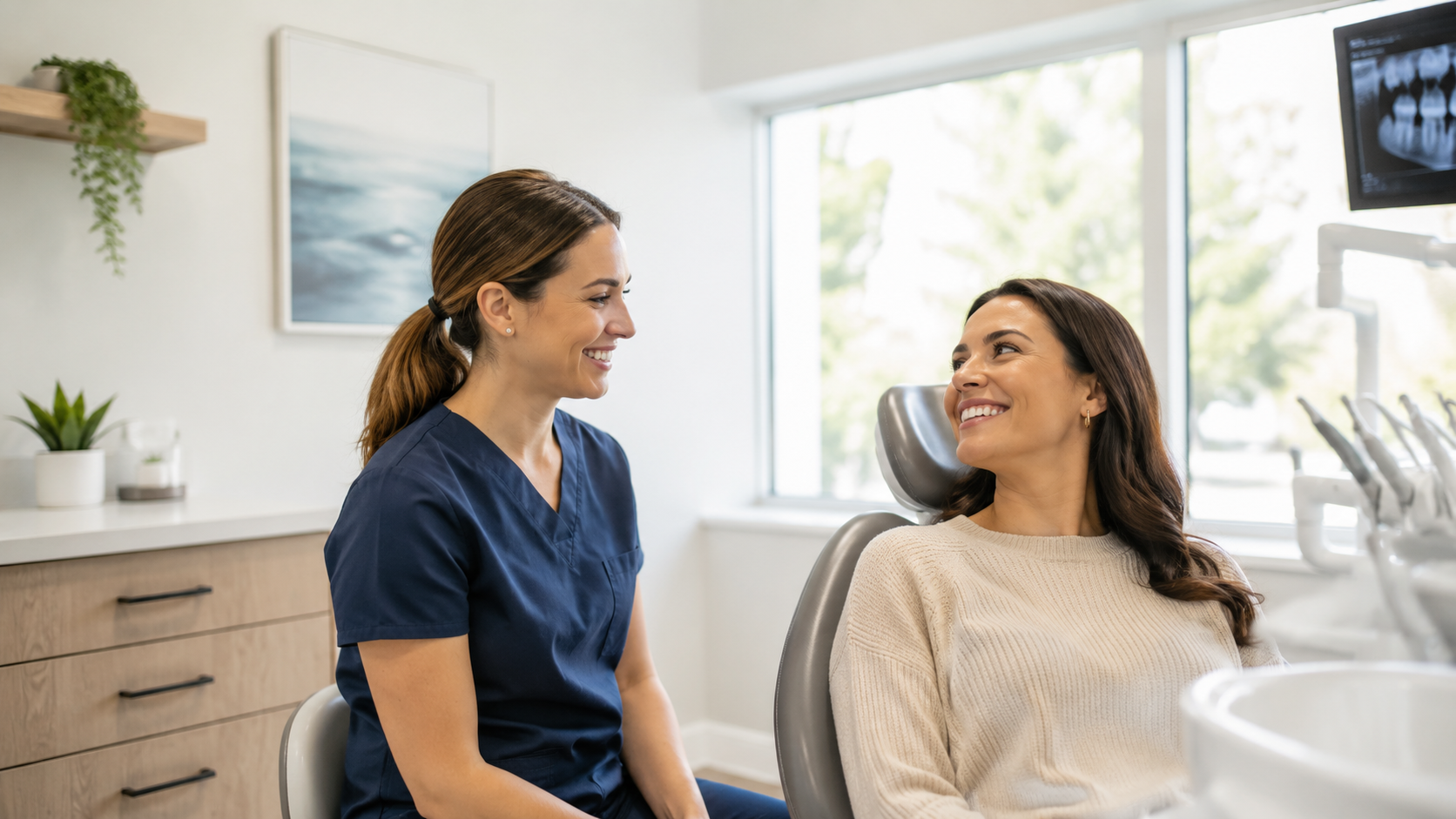
A whitening consultation is usually straightforward and relaxed. The dental team may review the patient’s goals, ask about sensitivity, examine the teeth and gums, and look for restorations that could affect the outcome.
The dentist may also discuss the current tooth shade and what level of improvement seems realistic. This conversation is important because whitening results vary from person to person. Factors such as stain type, enamel thickness, diet, and oral health all influence the final shade.
Patients should feel comfortable asking questions such as:
- Is whitening safe for my teeth?
- Will my fillings or crowns change color?
- How long will results last?
- What can I do if my teeth become sensitive?
- Which whitening option fits my schedule and goals?
A good consultation should leave the patient feeling informed, not pressured.
How Long Do Whitening Results Last?
Whitening is not permanent, but results can last for a meaningful amount of time with good habits. The exact timeline depends on diet, oral hygiene, tobacco use, and the natural shade of the teeth.
Patients who frequently drink coffee, tea, red wine, or dark sodas may notice stains returning sooner. Rinsing with water after staining beverages, using a straw when appropriate, brushing consistently, and keeping up with professional cleanings can help maintain a brighter smile.
Some patients choose occasional touch-ups after their initial whitening treatment. A dentist can recommend how often touch-ups are appropriate so the patient avoids overuse or unnecessary sensitivity.
Tips to Maintain a Whiter Smile
After whitening, a few simple habits can help protect the results:
- Brush twice daily: Use a soft-bristled toothbrush and fluoride toothpaste.
- Floss every day: Removing plaque between teeth helps prevent dullness and staining along the edges.
- Limit frequent sipping of dark drinks: Repeated exposure can lead to faster staining.
- Rinse with water after staining foods or beverages: This simple step can reduce how long pigments sit on enamel.
- Avoid tobacco products: Tobacco is a major contributor to stubborn discoloration and oral health problems.
- Schedule routine dental cleanings: Professional cleanings remove buildup that brushing cannot always reach.
- Follow the dentist’s whitening instructions: More gel or longer use does not always mean better results and may increase sensitivity.
Is Teeth Whitening Comfortable?
Many patients tolerate whitening well, but temporary tooth sensitivity or mild gum irritation can happen. Sensitivity may feel like a quick zing when drinking something cold or breathing in cool air. It often improves after whitening is paused or completed.
Patients can reduce discomfort by following directions closely, avoiding overuse, and telling the dental team about past sensitivity before treatment begins. The dentist may recommend a desensitizing toothpaste, a modified whitening schedule, or other comfort-focused adjustments.
Why Choose a Local Dental Team for Whitening?
Choosing a local dental office for teeth whitening gives patients more than a product — it gives them guidance. A neighborhood dental team can learn the patient’s history, monitor oral health, and help choose an option that supports both appearance and comfort.
For patients searching for the benefits of teeth whitening Fairview NC, the value often comes from combining cosmetic goals with trusted preventive care. Whitening works best when the mouth is healthy, the expectations are clear, and the plan is personalized.
Frequently Asked Questions About Teeth Whitening
Does teeth whitening damage enamel?
When used as directed and supervised appropriately, professional whitening is designed to be safe for healthy enamel. Problems are more likely when products are overused, used incorrectly, or applied when untreated dental issues are present. A dental exam helps confirm whether whitening is appropriate.
Will whitening work on crowns, veneers, or fillings?
No. Whitening products only brighten natural tooth structure. Crowns, veneers, bridges, and tooth-colored fillings will not change shade. Patients with visible restorations should talk with a dentist before whitening to avoid uneven color.
How white will the teeth get?
Results vary. Some patients see a dramatic change, while others notice a more subtle improvement. Natural tooth color, stain type, enamel thickness, and whitening method all play a role. A dentist can help set realistic expectations.
Can people with sensitive teeth whiten their smile?
Many people with sensitive teeth can still whiten, but they may need a gentler or slower approach. The dental team may suggest desensitizing products, shorter wear times, or a customized plan to improve comfort.
Is whitening better before a big event?
Many patients choose whitening before weddings, graduations, vacations, interviews, or family photos. It is best to plan ahead rather than waiting until the last minute, especially for patients prone to sensitivity or those who may need dental work first.
How often should teeth be whitened?
The right schedule depends on the whitening method, the patient’s habits, and the condition of the teeth. A dentist can recommend a safe touch-up plan. Whitening too often can increase sensitivity and is not always necessary.
A Brighter Smile Starts with a Conversation
Teeth whitening can be a simple, confidence-building way to refresh a smile. From a brighter appearance to personalized guidance and comfortable treatment options, the benefits can be meaningful for patients who want to feel more at ease sharing their smile.
Anyone considering whitening should begin with a dental consultation to make sure their teeth and gums are healthy and that whitening is the right fit for their goals. Fairview Dental welcomes patients’ questions and can help explain available options in a friendly, no-pressure setting.
If a brighter smile is on the wish list, the next step is simple: schedule a visit, ask questions, and explore a whitening plan designed around comfort, safety, and natural-looking results.