
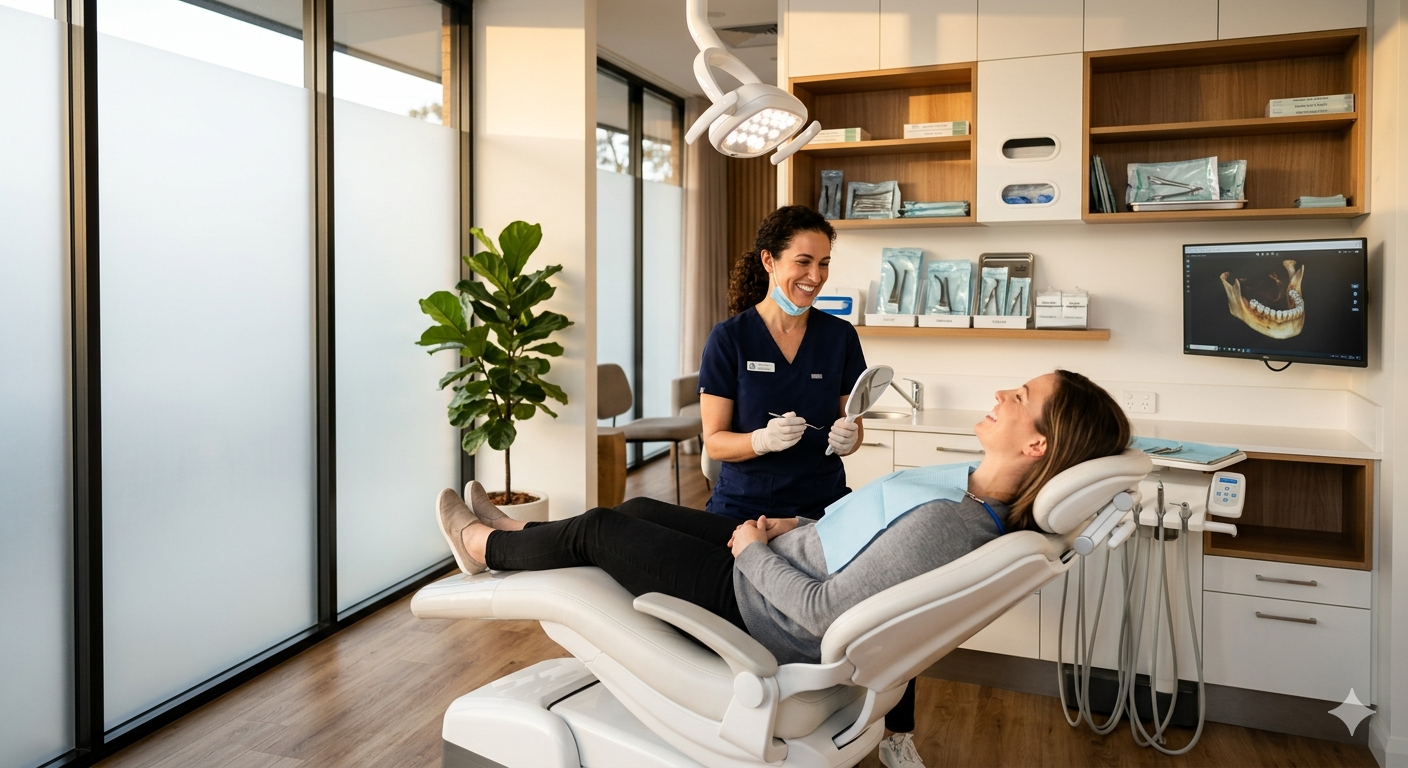
You can get a strong, natural-looking dental crown in a single visit at a Fairview, NC practice that offers same-day crown technology. Same-day crowns use digital scans and in-office milling to restore damaged teeth quickly, letting patients leave with a finished crown without a temporary or multiple appointments.
They worry less about multiple visits and temporary crowns and gain confidence faster with a finished restoration that matches their bite and smile. The article explains what same-day crowns are, walks through the in-office process, highlights who benefits most, and covers aftercare, cost considerations, and how to pick a Fairview dentist for this treatment.
What Are Same-Day Dental Crowns?
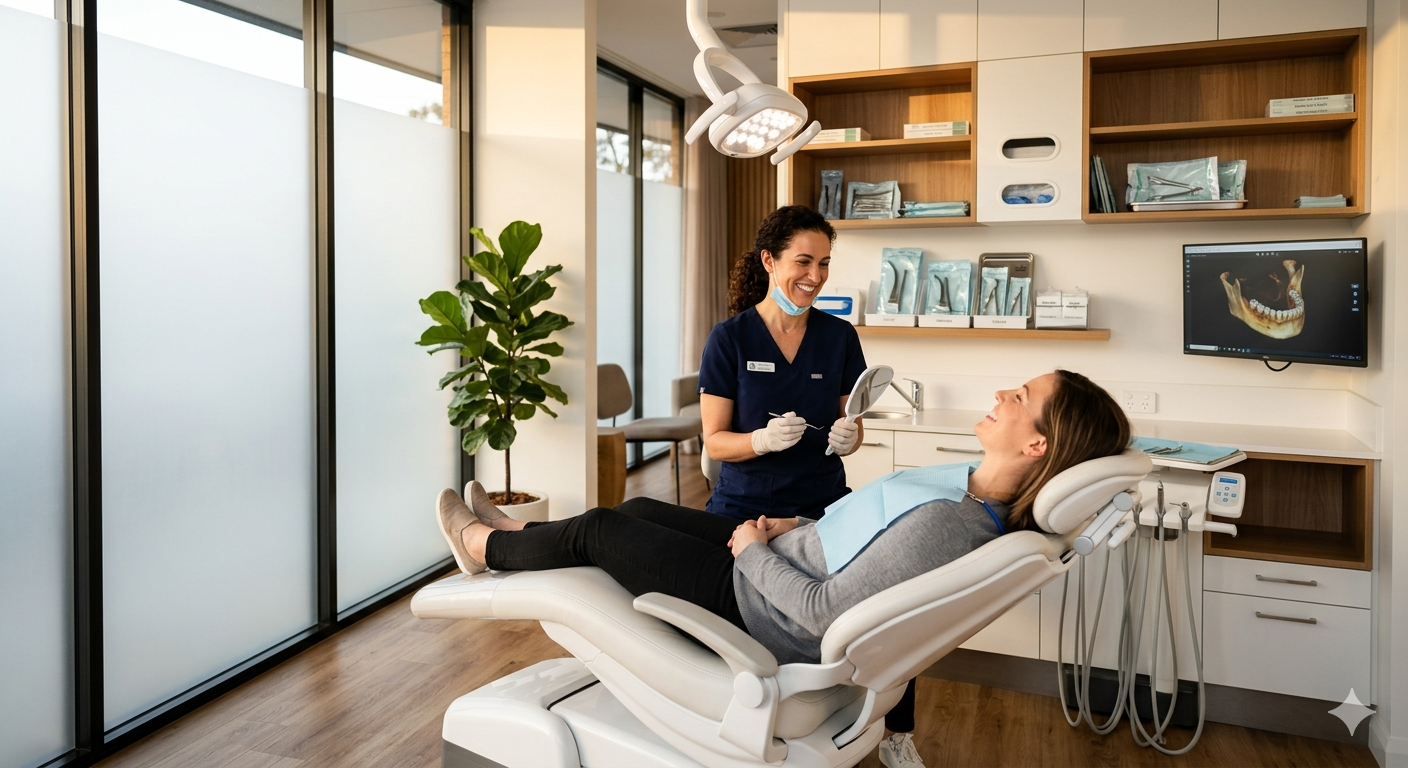
Same-day dental crowns let patients get a custom crown in a single visit using digital scanning and in-office milling. They restore a damaged, cracked, or heavily filled tooth with a precise ceramic match to the patient’s bite and tooth color.
How Same-Day Crowns Differ from Traditional Crowns
Same-day crowns use an intraoral digital scanner to capture the tooth shape instead of physical impressions. The dentist designs the crown on CAD software during the appointment, then mills a monolithic ceramic crown on-site, so the patient avoids a temporary crown and a second visit.
Traditional crowns typically require two or more visits: tooth preparation and impression, a temporary crown, and placement of a lab-made crown one to three weeks later. Lab crowns can use layered porcelain fused to metal or zirconia frameworks, which may offer different esthetic or strength profiles but require longer turnaround and temporary protection.
Same-day crowns often mean fewer appointments, no temporary crown issues, and faster final restoration. Patients with complex bite adjustments, extensive cosmetic layering needs, or certain metal-allergy considerations may still be better served by traditional lab-fabricated crowns.
Materials and Technology Used
Most same-day crowns are milled from high-strength ceramics like lithium disilicate (e.g., IPS e.max) or monolithic zirconia. Lithium disilicate balances translucency and strength for front and premolar teeth. Monolithic zirconia provides higher fracture resistance for molars but can be less translucent.
The workflow relies on three core technologies: an intraoral scanner for precise digital impressions, CAD software for crown design and occlusal adjustments, and an in-office milling unit to fabricate the restoration from a ceramic block. A high-temperature furnace or staining/glazing station finishes the crown for color matching and surface strength.
Clinics may also use chairside color-matching tools and bite-analysis software to refine fit and esthetics. Material choice depends on tooth location, bite forces, esthetic needs, and the dentist’s clinical judgment. Patients should discuss material options and expected longevity with their dentist.
Step-by-Step Guide to the Same-Day Crown Process
This section walks through the practical steps patients will experience, from digital scans to final placement, highlighting timing, comfort measures, and what to expect at each stage.
Digital Impressions and 3D Imaging
The dentist begins by assessing the tooth and surrounding tissues, checking X-rays for root and bone health. They remove decay or old filling material and shape the tooth to create a stable margin for the crown.
A small, wand-like intraoral scanner captures a full-color 3D image of the prepared tooth and bite in minutes. The scanner produces a precise digital impression that eliminates messy putty and reduces gag reflex for most patients.
Technicians and the dentist review the 3D model on-screen to check margins, contact points, and occlusion. If adjustments are needed, the dentist rescans specific areas immediately to ensure the final fit will be accurate.
Digital bite registration records how the upper and lower teeth meet. This step helps the CAD software design a crown that preserves the patient’s bite and reduces post-placement adjustments.
On-Site Crown Creation
The office transfers the final digital design to an in-office milling unit or a same-day CAD/CAM machine. The milling unit carves the crown from a solid block of ceramic, usually feldspathic porcelain, zirconia, or lithium disilicate.
Milling typically takes 10–30 minutes depending on material and complexity. While the machine runs, the team polishes and stains the restoration to match the patient’s shade and surface texture.
A quick quality check follows: the dentist inspects margins, contacts, and overall anatomy. If the restoration needs fine tuning, the dental assistant makes small adjustments before glazing and final polishing.
Many practices offer the option to try a temporary composite during the visit if extra esthetic tweaking is desired before final curing. The in-office workflow minimizes lab delays and usually completes the crown in one appointment.
Fitting and Placement
The dentist first tries the crown in place to evaluate fit, contact with adjacent teeth, and occlusion. They check for high spots using articulating paper and make minor adjustments with fine burs if needed.
Once fit and bite are correct, the dentist cleans and isolates the tooth, then uses a resin cement or adhesive suited to the crown material. Excess cement is removed carefully to protect gum tissues.
A curing light polymerizes the cement for a secure bond when indicated. The dentist rechecks the bite and makes final polish passes to smooth margins and ensure patient comfort.
The patient receives brief care instructions: avoid hard foods for 24 hours, maintain gentle flossing around the crown, and return for a follow-up if they feel sensitivity or bite changes. The dentist invites questions and schedules any recommended checkups.
Benefits of Choosing Same-Day Crowns
Same-day crowns save multiple visits, reduce time in the dental chair, and use durable materials that match natural teeth. Patients gain convenience, predictable results, and fewer temporary restorations to manage.
Faster Treatment Time
Same-day crowns use in-office CAD/CAM scanning and milling to complete the entire crown restoration in a single appointment. The dentist prepares the tooth, takes a digital impression with an intraoral scanner, designs the restoration on-screen, and mills the final crown in the office—typically within 60–90 minutes. This eliminates the usual two- or three-week wait for a lab-made crown and removes the need for a temporary crown that can loosen or break.
Reduced visits matter for patients who work full days, care for family members, or commute long distances to Fairview clinics. Same-day appointments also minimize exposure to post-preparation sensitivity by shortening the period the prepared tooth remains uncovered. For urgent fractures or failed crowns, this speed restores function and appearance the same day.
Improved Comfort and Convenience
Digital impressions avoid the gag-inducing putty many patients dislike. Scans are quick, accurate, and more comfortable for those with strong gag reflexes or narrow arches. Because the crown is fitted and adjusted in one visit, patients leave with final occlusion checked and bite-tested, reducing follow-up adjustments.
Fewer appointments lower scheduling stress and time off work. Same-day workflows reduce the chance of temporary crown complications—dislodgement, food trapping, or irritation—that often prompt emergency visits. Many Fairview offices also offer same-day insurance pre-determinations or financing, making it more convenient to plan payment and coverage.
Durability and Strength
Same-day crowns are typically milled from high-strength ceramics such as monolithic zirconia or lithium disilicate. These materials combine fracture resistance with good wear characteristics, suitable for both front and back teeth depending on the case. A well-fitted ceramic crown bonds strongly to the prepared tooth with modern adhesive cements, creating a durable margin that resists microleakage and recurrent decay.
Longevity depends on oral hygiene, bruxism control, and proper occlusal adjustment. When placed by a trained dentist using precise digital fits, same-day ceramic crowns can last many years. For patients with heavy bite forces, clinicians may recommend material choices or occlusal guards to extend crown life and protect opposing teeth.
Who Is a Good Candidate for Same-Day Crowns?
Same-day crowns suit patients needing a durable, natural-looking restoration quickly. Ideal candidates typically have localized tooth damage, good oral hygiene, and realistic expectations about treatment.
Dental Concerns Addressed
Same-day crowns treat many common problems that would otherwise need multiple visits. They restore large cavities when a filling won’t hold, protect a cracked tooth from splitting further, and rebuild teeth after root canal therapy. They also improve the shape and color of single teeth for cosmetic reasons.
Dentists use strong ceramic materials that match adjacent teeth, so crowns resist staining and withstand normal chewing forces. They are not the first choice for teeth with extensive bone loss or active gum disease; those conditions need treatment before crown placement. For small, well-defined problems, same-day crowns provide a fast, single-visit solution.
Suitability for Different Ages
Adults and older teens often make the best candidates for same-day crowns. By their late teens, most permanent teeth have finished developing, which reduces the risk of future complications from crown placement.
Younger children usually receive crowns only when necessary and typically use stainless-steel crowns rather than ceramic same-day crowns. Seniors can benefit from same-day crowns if they maintain sufficient tooth structure and gum health. Dentists assess bite, adjacent teeth, and overall oral health rather than age alone when deciding suitability.
Pre-Treatment Considerations
A thorough dental exam and X-rays help determine whether a same-day crown will succeed. The dentist checks for active decay, gum disease, and the amount of remaining tooth structure; any untreated infection or insufficient tooth structure may require alternate treatments first.
Patients should disclose bruxism (tooth grinding), allergies, and medications, as these affect material choice and long-term success. Good oral hygiene and willingness to follow follow-up care instructions also increase the likelihood of a durable result. The dentist will explain costs, insurance coverage, and what to expect during the single-visit workflow, including local anesthesia, digital scans, and milling time.
Caring for Your New Crowns
New crowns need gentle daily care, few habit changes, and timely dental checks to keep them functional and comfortable. Proper brushing, flossing, and avoidance of hard or sticky foods protect the crown margins and surrounding teeth.
At-Home Maintenance Tips
Brush twice daily with a soft-bristle toothbrush and non-abrasive fluoride toothpaste to prevent wear on crown surfaces and protect adjacent enamel. Use short, gentle strokes at the gum line where the crown meets natural tooth to remove plaque without loosening the crown.
Floss once daily, sliding the floss up and down along each side of the crown rather than snapping it down onto the gum. If floss sticks, use a floss threader, interdental brush (0.6–1.2 mm sizes common), or water flosser to clean contact points safely.
Avoid whitening products directly on porcelain crowns because they won’t change crown color; discuss shade-match options with the dentist if whitening is desired. If the crown feels high or causes chewing discomfort, contact the dental office for an adjustment rather than trying DIY fixes.
Foods and Habits to Avoid
Do not chew ice, hard candy, bones, or unpopped popcorn kernels; these can chip or fracture ceramic and composite crowns. Cut crunchy foods into smaller pieces and chew on the opposite side until the crown fully integrates with your bite.
Avoid sticky candies (caramels, taffy) and very chewy foods that may dislodge temporary crowns or stress cemented crowns. Limit highly acidic beverages—citrus juices, sodas—because repeated acid exposure can weaken cement and erode margins.
Break the habit of using teeth as tools to open packages, bottles, or filament. If the patient grinds or clenches teeth at night, a custom nightguard reduces excessive force on crowns and natural teeth and should be discussed with the dentist.
When to Schedule Check-Ups
Schedule a follow-up 1–2 weeks after crown placement to confirm fit, bite, and gum response; clinics in Fairview often book this as a standard appointment. Regular dental exams every six months let the dentist monitor crown margins, check for decay at adjacent teeth, and polish or repair minor issues.
Call the office promptly if the crown feels loose, there’s persistent sensitivity, swelling, or a new bite change. Emergency visits are recommended for severe pain, visible fracture, or a crown that has come completely off to prevent further damage or infection.
What to Expect After Your Appointment
Recovery usually progresses quickly after a same-day crown in Fairview, NC. Most patients return to normal activities the same day, but they should watch for sensitivity, chewing changes, and any unexpected pain.
Recovery and Sensitivity
Patients often feel mild numbness that wears off within one to three hours after anesthesia. Soft-tissue soreness or gum tenderness near the crown is common for 24–48 hours and responds well to over-the-counter ibuprofen or acetaminophen unless the dentist prescribes otherwise.
To protect the new crown, avoid very hard or sticky foods for 48–72 hours. Cold and hot foods may cause temporary sensitivity; sensitivity typically improves over one to two weeks as the tooth settles and the bite adapts.
If the crown covers a tooth that had deep decay or a large filling, sensitivity may last longer and require a short course of desensitizing toothpaste or a follow-up adjustment. Keeping good oral hygiene—gentle brushing and daily flossing—helps reduce irritation and promotes healing.
How Your Bite May Feel
Immediately after placement, the bite can feel slightly different as the crown seats against opposing teeth. Minor high spots are common and usually noticed within the first 24–72 hours when chewing or closing the jaw.
If the bite feels uneven, the dentist can perform a quick chairside adjustment using articulating paper to mark contact points and remove any high areas. This adjustment normally takes a few minutes and often resolves discomfort or clicking.
Patients should test the bite with soft foods first, then progress to regular foods once the crown feels comfortable. Persistent problems with chewing, jaw pain, or a feeling that the crown shifts when biting require a prompt follow-up appointment.
Signs to Watch For
Monitor for increasing pain, swelling, or throbbing at the crown site; these can indicate infection or the need for further treatment. A mild ache is normal, but sharp or worsening pain after the first 48 hours is a reason to call the office.
Look for a loose crown or a sudden change in fit—if the crown feels movable or comes off, save it and contact the dentist immediately to prevent further damage. Also watch for allergic reactions such as persistent gum redness, itching, or a rash, and report these symptoms right away.
If numbness lasts more than a few hours, or if there is new numbness in the lip, tongue, or cheek, seek care promptly. The dental team will schedule any necessary adjustments, repairs, or checks to ensure the crown functions comfortably and protects the tooth long-term.
Choosing the Right Dental Practice in Fairview NC
Finding a dentist who offers accurate same-day crowns, clear pricing, and comfortable care makes the process quicker and less stressful. Patients should prioritize clinical skill, up-to-date technology, and transparent communication when selecting a practice.
Qualities of a Trustworthy Provider
A trustworthy Fairview practice uses chairside CAD/CAM systems and high-quality ceramic materials to design and mill crowns in one visit. Look for dentists who list the specific milling systems they use (e.g., CEREC) and describe the ceramic brands and shade-matching workflows.
Verify credentials: a licensed general dentist with certificates in digital dentistry or CEREC education shows hands-on training. Confirm continuity of care by checking whether the same dentist handles preparation, design, and final placement rather than delegating critical steps to auxiliaries.
Office policies matter. Transparent pricing for same-day crowns, clear estimates for any insurance coverage, and a written warranty or repair policy reduce surprises. Also assess chairside comfort features—numbing protocols, sedation options, and realistic appointment length estimates—to ensure a positive experience.
Patient Testimonials and Experiences
Read local patient reviews for details about appointment punctuality, restoration fit, and how long the crown felt comfortable after placement. Prioritize reviews that mention the same-day crown workflow specifically, such as whether the bite needed multiple adjustments after cementation.
Look for photos and case descriptions showing pre-op issues and final crowns; visual evidence helps gauge esthetic outcomes. Call the office with specific questions—ask how often same-day crowns require remakes and what follow-up checks they schedule—to hear staff responsiveness firsthand.
Seek recommendations from neighbors or local Facebook groups in Fairview who can report on practical matters like parking, ease of scheduling, and how staff handled any complications. Personal referrals often reveal things online reviews omit, such as thoroughness of post-op instructions and the team’s bedside manner.
Cost Factors and Dental Insurance
Costs for same-day crowns vary by material, dentist experience, and the specific technology used. Insurance, payment plans, and in-office discounts can lower out-of-pocket expenses.
Typical Price Ranges
Same-day crowns in Fairview, NC typically range from about $900 to $1,800 per crown when paid out of pocket. Prices depend heavily on the crown material: monolithic zirconia and high-strength ceramic tend toward the higher end, while lower-cost milled porcelain options may sit near the lower end.
Complexity affects cost. A crown that requires extra prep, a post/core, or treatment of underlying decay or root canal will add fees. Technology choices also matter: offices using CEREC or similar CAD/CAM systems may charge a premium for single-visit convenience but often bundle scanning and milling into one fee.
Location and clinician skill influence pricing too. A dentist with advanced restorative training or a practice in a higher-rent area will often charge more. Ask for a written estimate that lists all components: tooth prep, scanning, milling, material, cementation, and follow-up visits.
Insurance Coverage Basics
Most dental insurance plans categorize crowns as a major restorative service, covering roughly 20–50% after a waiting period and annual deductible. Coverage varies by plan; some policies limit restorations to a specific fee schedule, so the insurer may pay only a set amount regardless of the dentist’s charge.
Pre-authorization helps avoid surprise bills. The practice can submit treatment plans and X-rays to the insurer to confirm benefits and patient responsibility before work begins. Patients should check annual maximums—commonly $1,000–$1,500—as multiple crowns can quickly exhaust benefits.
Medical necessity can change coverage. If a crown is required after trauma or as part of medically necessary care, some insurers shift payment responsibility from dental to medical benefits. Patients should request itemized codes (D2740, D2790, etc.) to streamline claims and appeals.
Financing Options
Many Fairview practices offer in-house payment plans splitting cost over several months with little or no interest. These plans usually require a deposit and set monthly installments and work well for patients who prefer dealing directly with their dental office.
Third-party medical/dental financing companies (like CareCredit) provide longer-term, interest-bearing options and promotional 0% interest periods for qualified applicants. Read terms carefully: deferred-interest plans can incur retroactive interest if payments lapse.
Providers may also offer discounts for full upfront payment or for multiple crowns placed at the same visit. Patients should request a comparison: total cost under insurance, in-house plan, and external financing, then choose the option that balances monthly affordability with total expense.
Next Steps Toward a Healthier Smile
Patients should schedule a consultation to review their oral health and discuss same-day crowns in Fairview, NC. A short exam and digital scan usually clarify whether a same-day crown is the best option.
They should ask about materials, costs, and the expected lifespan of the crown. Clear information helps set realistic expectations and reduces anxiety.
If decay or infection exists, those issues must be treated first. The dentist may recommend filling work, root canal therapy, or a brief gum treatment before crown placement.
Patients should confirm appointment length and any pre-visit instructions. Many same-day crown visits take one to two hours and require no special preparation.
Maintain good home care after treatment to protect the new crown. Brushing twice daily, flossing gently around the crown, and avoiding very hard foods will extend its life.
Insurance coverage and financing options vary; patients should verify benefits ahead of time. The dental office can often provide estimates and discuss payment plans or care credit.
They should bring a list of current medications and any health concerns to the appointment. This ensures safe treatment planning and helps the team tailor care for comfort.
Call the Fairview dental office to book an assessment or request a virtual consult. The team will answer questions, explain steps, and help arrange the most convenient visit.
Frequently Asked Questions
This section answers practical questions about same-day crowns in Fairview, NC: how the digital design and milling work, typical appointment length, cost ranges and insurance issues, strength and appearance compared with lab crowns, and post-placement care to maximize longevity.
Can a dental crown really be designed and placed in just one visit?
Yes. Dentists use digital scanners to capture the tooth, design the restoration on a computer, and mill a ceramic crown in the office during the same appointment. Patients usually avoid temporary crowns and a second return visit.
How long does the same-day crown appointment usually take from start to finish?
Most appointments last between 90 minutes and 3 hours. Time depends on the complexity of the preparation, whether any root canal or build-up is needed, and how many teeth are being treated.
What does a same-day crown typically cost, and what factors can change the price?
Same-day crowns in Fairview typically range from $900 to $1,800 per tooth. Price varies with the material used (e.g., monolithic zirconia, lithium disilicate), the dentist’s experience, any additional procedures (core buildup, root canal), and lab vs. in-office equipment costs.
Does dental insurance usually help cover the cost of a crown in North Carolina?
Many dental insurance plans cover a portion of crown costs, often 50% to 80% after deductibles, up to plan limits. Coverage depends on the individual policy, whether the crown is deemed medically necessary, and annual maximums; patients should verify benefits before treatment.
Are same-day crowns as strong and natural-looking as traditional lab-made crowns?
Modern same-day crowns made from materials like lithium disilicate or zirconia match lab crowns in strength and esthetics for most restorations. Highly customized layered ceramics made in specialty labs may offer slightly better translucency for certain front-tooth cases.
What should I expect after my crown is placed, and how do I care for it so it lasts?
Patients may notice mild sensitivity or soreness for a few days, which over-the-counter pain relievers usually control. They should avoid very hard foods for 24–48 hours, maintain normal brushing and flossing, and schedule regular check-ups and cleanings to monitor the crown and surrounding gum health.